ultimate bhutan travel guide 2027
Ultimate Bhutan travel guide 2027
Introduction to Bhutan
Hidden deep within the eastern Himalayas, Bhutan is one of the world’s most fascinating travel destinations. Known as the “Last Himalayan Kingdom,” Bhutan offers a rare blend of spirituality, untouched landscapes, ancient traditions, and sustainable tourism. Unlike many destinations overwhelmed by mass tourism, Bhutan carefully protects its culture, environment, and identity through a unique “High Value, Low Volume” tourism policy.
For travelers seeking authenticity, peace, meaningful experiences, and breathtaking scenery, Bhutan is unlike anywhere else on Earth. Here, monks chant in centuries-old monasteries hanging on cliffs, prayer flags flutter across mountain passes, and happiness is valued more than economic growth through the philosophy of Gross National Happiness.
Whether you are interested in trekking through pristine mountains, attending colorful festivals, meditating with monks, exploring hidden valleys, photographing Himalayan landscapes, or simply escaping the noise of modern life, Bhutan delivers a deeply transformative travel experience.
This ultimate guide covers everything you need to know before visiting Bhutan in 2027.
Why Visit Bhutan?
Bhutan is not just a destination; it is an experience. Travelers visit Bhutan for many reasons:
Ancient Buddhist culture
Peaceful Himalayan landscapes
Stunning monasteries and fortresses
Authentic village life
Spiritual retreats and meditation
Colorful festivals
Warm hospitality
Sustainable tourism
Safety and cleanliness
Bhutan is one of the few countries where tradition remains deeply alive. Most Bhutanese still wear the national dress daily, ancient festivals are celebrated with devotion, and spirituality remains woven into everyday life.
Unlike crowded tourist destinations, Bhutan offers space, silence, and connection.
Where is Bhutan?
Bhutan is a small Himalayan kingdom located between India and China. The country stretches from subtropical plains in the south to snow-capped Himalayan peaks in the north.
The capital city is Thimphu, while the international airport is located in Paro.
Bhutan’s geography includes:
Deep valleys
Dense forests
High mountain passes
Alpine meadows
Glacial rivers
Traditional villages
More than 70% of Bhutan remains forest-covered, making it one of the world’s only carbon-negative countries.
Is Bhutan Open for Tourists in 2027?
Yes. Bhutan is fully open for international tourists in 2027. Travelers can enter Bhutan through guided tours organized by licensed Bhutanese tour operators.
Bhutan continues to focus on sustainable and responsible tourism to preserve its environment and cultural heritage.
Do You Need a Visa for Bhutan?
Almost all international travelers require a visa to enter Bhutan.
The visa process is straightforward and usually arranged through a licensed Bhutanese tour operator.
Bhutan Visa Requirements
You generally need:
A passport valid for at least 6 months
Passport copy
Passport-sized photo
Confirmed tour booking
Payment of visa fees and Sustainable Development Fee (SDF)
Once approved, travelers receive a visa clearance letter before arrival.
Indian citizens have separate entry requirements and usually do not need a visa but must carry valid identification.
What is the Sustainable Development Fee (SDF)?
Bhutan charges a Sustainable Development Fee to support:
Free healthcare
Free education
Environmental conservation
Cultural preservation
Infrastructure development
The SDF helps Bhutan maintain responsible tourism while protecting its natural and cultural heritage.
Travel policies and fees may change, so travelers should always check updated information through licensed Bhutanese tour operators before travel.
Best Time to Visit Bhutan
Bhutan is a year-round destination, but each season offers different experiences.
Spring (March to May)
Spring is one of the best times to visit Bhutan.
Highlights:
Rhododendron blooms
Pleasant weather
Clear mountain views
Popular festivals
Excellent trekking conditions
Ideal for:
Summer / Monsoon (June to August)
Summer brings rain, especially in southern Bhutan, but the valleys become lush and green.
Highlights:
Fewer tourists
Vibrant landscapes
Misty mountains
Beautiful rice fields
Ideal for:
Photography
Quiet travel
Autumn (September to November)
Autumn is considered peak tourist season.
Highlights:
Clear Himalayan views
Major festivals
Comfortable temperatures
Excellent trekking weather
Ideal for:
Winter (December to February)
Winter is cold but peaceful.
Highlights:
Fewer crowds
Snow-covered mountains
Clear skies
Black-necked crane migration
Ideal for:
Bird watching
Cultural experiences
How to Reach Bhutan
By Air
The main international gateway is Paro International Airport.
Flights to Bhutan operate from cities such as:
Bangkok
Delhi
Kathmandu
Singapore
Dhaka
The flight into Paro is considered one of the world’s most scenic flights.
Travelers often enjoy spectacular Himalayan views, including Mount Everest on clear days.
By Land
Travelers can also enter Bhutan through border towns including:
Phuentsholing
Gelephu
Samdrup Jongkhar
Most overland visitors enter from India.
Top Places to Visit in Bhutan
Paro
Paro is one of Bhutan’s most visited valleys and home to the country’s only international airport.
Highlights:
Traditional farmhouses
Museums
Ancient temples
Scenic valley landscapes
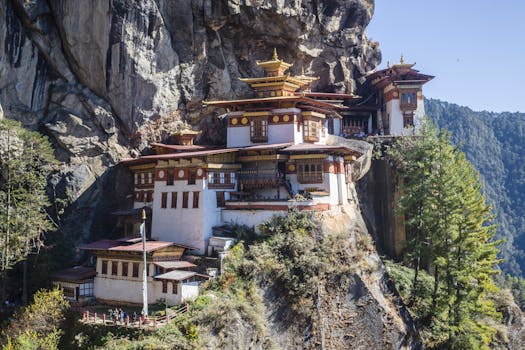
Tiger’s Nest Monastery (Paro Taktsang)
Paro Taktsang is Bhutan’s most iconic landmark.
Clinging dramatically to a cliffside, the monastery sits approximately 900 meters above the Paro valley floor.
According to legend, Ugyen Rinpoche flew here on the back of a tigress and meditated in a cave.
The hike takes around 4–6 hours round trip and is one of Bhutan’s must-do experiences.
Thimphu
Thimphu is the capital city of Bhutan and a unique blend of tradition and modernity.
Highlights:
Buddha Dordenma statue
Memorial Chorten
Weekend market
Traditional arts school
Tashichho Dzong
Despite being the capital, Thimphu has no traffic lights.
Punakha
Punakha was Bhutan’s former capital and is famous for its beautiful valley landscapes.Highlights:
Punakha Dzong
Suspension bridge
Riverside scenery
Rice fields
Mild climate
The Punakha valley is especially beautiful in spring.
Bumthang
Bumthang is considered the spiritual heartland of Bhutan.
Highlights:
Ancient temples
Sacred monasteries
Rural villages
Spiritual sites
Traditional culture
Many important Buddhist masters meditated here.
Haa Valley
Haa Valley remains one of Bhutan’s lesser-visited regions.
Highlights:
Authentic rural life
Scenic mountain roads
Traditional villages
Peaceful landscapes
Ideal for travelers seeking off-the-beaten-path experiences.
Phobjikha Valley
Phobjikha Valley is a glacial valley famous for wintering black-necked cranes.
Highlights:
Nature walks
Birdwatching
Peaceful scenery
Traditional villages
This valley is perfect for slow travel and nature lovers.
Bhutanese Culture and Traditions
Culture is one of Bhutan’s greatest treasures.
Bhutanese society is deeply influenced by Vajrayana Buddhism, which shapes architecture, festivals, values, and daily life.
Traditional Dress
Bhutanese people commonly wear:
Gho (men)
Kira (women)
These traditional garments are still worn in schools, offices, and government institutions.
Religion
Buddhism plays a central role in Bhutanese life.
You will see:
Prayer wheels
Monasteries
Monks
Prayer flags
Chortens
Sacred sites
Respect for spirituality is important while traveling in Bhutan.
Festivals (Tshechus)
Bhutanese festivals are vibrant cultural celebrations featuring:
Mask dances
Traditional music
Religious rituals
Colorful costumes
Popular festivals include:
Paro Tshechu
Punakha Drubchen
These festivals attract both locals and international visitors.
Bhutanese Food
Bhutanese cuisine is flavorful and often spicy.
Popular Dishes
Ema Datshi
The national dish made with chili and cheese.
Phaksha Paa
Pork cooked with red chilies.
Red Rice
A staple food in Bhutan.
Momos
Traditional dumplings.
Suja
Butter tea commonly served in homes and monasteries.
Vegetarian options are widely available.
Trekking in Bhutan
Bhutan is one of Asia’s best trekking destinations.
Treks range from easy hikes to challenging high-altitude expeditions.
Popular Treks
Druk Path Trek
A moderate trek between Paro and Thimphu.
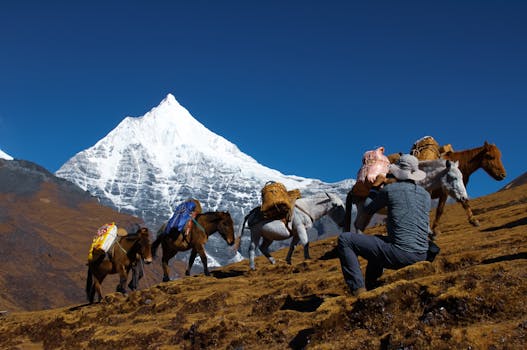
Jomolhari Trek
Famous for mountain views and alpine landscapes.
Snowman Trek
Considered one of the world’s toughest treks.
Dagala Thousand Lakes Trek
Known for scenic lakes and panoramic mountain views.
Trekking seasons are best during spring and autumn.
Spiritual and Wellness Travel in Bhutan
Bhutan is increasingly becoming a destination for wellness and transformational travel.
Experiences include:
Meditation retreats
Yoga sessions
Hot stone baths
Forest walks
Mindfulness experiences
Many travelers visit Bhutan to disconnect from stress and reconnect with themselves.
Luxury Travel in Bhutan
Bhutan offers exceptional luxury experiences combined with authenticity.
Luxury travelers can enjoy:
Boutique lodges
Private cultural tours
Wellness retreats
Fine dining
Personalized services
Luxury tourism in Bhutan emphasizes exclusivity and sustainability rather than mass tourism.
Adventure Activities in Bhutan
Adventure lovers can enjoy:
White-water rafting
Mountain biking
Hiking
Rock climbing
Camping
Birdwatching
Bhutan’s untouched environment makes outdoor experiences especially rewarding.
Photography in Bhutan
Bhutan is a dream destination for photographers.
Subjects include:
Monasteries
Mountain landscapes
Festivals
Portraits
Prayer flags
Traditional architecture
Wildlife
The best photography seasons are spring and autumn.
Always ask permission before photographing monks or local people.
Wildlife and Nature in Bhutan
Bhutan is one of the world’s biodiversity hotspots.
Wildlife includes:
Snow leopards
Takin
Red pandas
Himalayan black bears
Black-necked cranes
Protected national parks and conservation efforts make Bhutan a paradise for nature lovers.
Bhutan’s Unique Philosophy: Gross National Happiness
Bhutan is globally known for Gross National Happiness (GNH).
Instead of measuring success purely through economic growth, Bhutan prioritizes:
Well-being
Sustainability
Culture
Environmental protection
Good governance
This philosophy shapes Bhutan’s approach to tourism and development.
Internet and Connectivity in Bhutan
Internet access is available in most towns and hotels.
Visitors can buy local SIM cards for:
Mobile data
Calls
Messaging
However, internet speeds may be slower in remote areas.
Many travelers actually appreciate the digital slowdown and use Bhutan as an opportunity for a digital detox.
Currency and Payments
Bhutan’s currency is the Ngultrum (BTN).
Indian Rupees are also widely accepted in many places.
Payment Tips
Carry some cash for rural areas
ATMs are available in major towns
Credit cards are accepted in some hotels and shops
What to Pack for Bhutan
Packing depends on the season and itinerary.
Essential Items
Comfortable walking shoes
Layered clothing
Warm jacket
Sunscreen
Sunglasses
Reusable water bottle
Rain jacket
Personal medications
For trekking:
Hiking boots
Trekking poles
Thermal clothing
Daypack
Bhutan Travel Etiquette
Respect for local culture is important.
Important Etiquette Tips
Dress Modestly
Especially when visiting monasteries and temples.
Remove Hats
Before entering religious buildings.
Walk Clockwise
Around monasteries and prayer wheels.
Ask Before Taking Photos
Particularly during ceremonies.
Respect Sacred Spaces
Avoid loud behavior in temples.
Is Bhutan Safe?
Bhutan is considered one of the safest travel destinations in the world.
Crime rates are very low, and locals are generally welcoming and honest.
Solo travelers, families, and women travelers often feel comfortable traveling in Bhutan.
Sustainable Tourism in Bhutan
Bhutan is internationally respected for sustainable tourism.
The country carefully limits mass tourism to protect:
Nature
Culture
Local communities
Travelers visiting Bhutan contribute directly to conservation and social development through tourism policies and local employment.
Suggested Bhutan Itineraries
5-Day Bhutan Highlights
Paro
Thimphu
Tiger’s Nest hike
7-Day Cultural Journey
Paro
Thimphu
Punakha
Traditional villages
Monasteries
10-Day Bhutan Explorer
Paro
Thimphu
Punakha
Phobjikha
Bumthang
14-Day Trekking Adventure
Trekking routes
Camping
High mountain passes
Cultural experiences
FAQ About Bhutan Travel
Is Bhutan expensive?
Bhutan is generally considered a premium travel destination due to its sustainable tourism policy. However, the experience is highly authentic and inclusive.
Can you travel independently in Bhutan?
You will have to hire a guide. Without a guide you won’t be allowed entry into most places.
Is Bhutan suitable for families?
Yes. Bhutan is excellent for families seeking educational, cultural, and nature-based travel experiences.
Do people speak English?
English is widely spoken, especially in tourism, schools, and cities.
How many days do you need in Bhutan?
A minimum of 5–7 days is recommended, though 10–14 days allows deeper exploration.
Hidden Experiences in Bhutan
Travelers looking for unique experiences can enjoy:
Meditation retreats
Village homestays
Archery lessons
Farmhouse dinners
Butter lamp ceremonies
Traditional hot stone baths
Spiritual blessings by monks
These experiences often become the most memorable parts of a Bhutan journey.
Why Bhutan Changes Travelers
Many visitors say Bhutan is not simply a destination they visited, but a place that changed how they think and feel.
The peaceful atmosphere, deep spirituality, untouched landscapes, and slower rhythm of life encourage reflection and mindfulness.
In Bhutan:
mountains feel sacred,
traditions remain alive,
and happiness is valued over materialism.
It is increasingly rare in today’s world to find a destination where culture, nature, and spirituality remain so deeply connected.
Final Thoughts
Bhutan offers one of the world’s most meaningful travel experiences. From dramatic monasteries perched on cliffs to serene Himalayan valleys, from colorful festivals to silent meditation halls, Bhutan invites travelers to slow down and experience life differently.
Whether you are an adventurer, photographer, spiritual seeker, luxury traveler, or cultural explorer, Bhutan has something deeply special to offer.
A journey through Bhutan is not only about seeing a country — it is about experiencing a different way of living, thinking, and connecting with the world.
- All child below 5 years free
- Children below 12 years 50% discount.
- More than two children accompanying parents get 50%
Tour Packages you may be interested

Why Choose us?