food in bhutan
Food in Bhutan
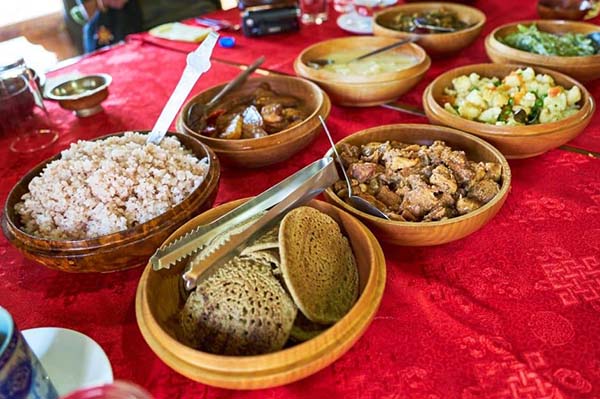
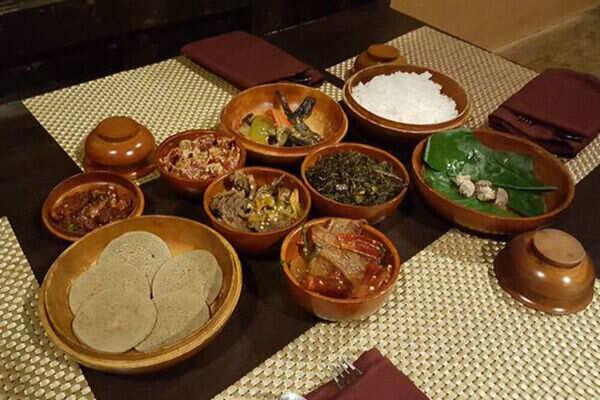
What kind of food is served in Bhutan?
Food is an important part of Bhutanese culture. Bhutanese food is simple, filling and usually quite spicy. Rice is the main food, and it is normally eaten with vegetables, cheese, meat or spicy stews.
The most famous ingredient in Bhutanese cooking is chilli. In Bhutan, chilli is often treated as a vegetable rather than just a spice. Cheese, especially local cheese called datshi, is also used in many dishes.
Traditional Bhutanese food is mainly cooked by boiling, steaming or stewing. Bhutanese cuisine has influences from Tibet, India and China, but it has developed its own strong identity.
Visitors should expect a lot of rice, vegetables, chilli, cheese and meat. Hotels and tourist restaurants also serve Indian, Chinese, Continental and other international food, so visitors normally have plenty of choices.
Will a Westerner be able to eat Bhutanese food?
Yes. Most Western visitors can enjoy Bhutanese food, but the level of chilli can be a surprise.
If you do not eat spicy food, tell your guide, hotel or restaurant before ordering. Tourist hotels generally prepare Bhutanese dishes with less chilli than food prepared for local people.
You do not have to eat very spicy food throughout your trip. Hotels and restaurants can normally provide simpler food such as rice, vegetables, noodles, pasta, sandwiches, eggs and other international dishes.
A good idea is to start with milder dishes and slowly try the stronger ones.
What is the most popular Bhutanese dish?
The dish you should not miss is Ema Datshi.
Ema Datshi is made from chilli and cheese and is often described as Bhutan’s national dish. It is normally eaten with rice. It can be made with different types of chilli and prepared with different levels of heat.
If you are trying Bhutanese food for the first time, you can also try:
- Kewa Datshi – potato and cheese
- Shamu Datshi – mushroom and cheese
- Jasha Maroo – spicy chicken dish
- Phaksha Paa – pork cooked with chilli
- Shakam Paa – dried beef with vegetables and chilli
- Momos – steamed or fried dumplings
- Puta – buckwheat noodles, especially associated with Bumthang
- Hontay – buckwheat dumplings, traditionally associated with Bumthang
For someone who does not eat much chilli, Kewa Datshi, Shamu Datshi and momos can be good dishes to start with.
Which place serves the best food in Bhutan?
It is difficult to say that one restaurant serves the “best food in Bhutan.” Food is very personal, and the experience also depends on whether you want traditional home-style food, a local restaurant or a fine-dining experience.
For an authentic experience, try eating at a traditional Bhutanese restaurant or a local home rather than eating only at tourist hotels. Local food can give you a better understanding of how Bhutanese people normally eat.
In Thimphu, visitors can explore places such as Folk Heritage Museum Restaurant for a traditional setting, while Babesa Village Restaurant is another option for local-style food.
For visitors interested in professional culinary training and Bhutanese cuisine, the Bhutan Institute of Tourism and Hospitality (BITH) in Thimphu is also worth knowing about.
The best food experience, however, may be a meal prepared in a Bhutanese home where you can see how the food is cooked and learn about the ingredients and traditions.
Can I learn to cook Bhutanese food?
Yes. Cooking can be a wonderful addition to a Bhutan holiday.
Instead of simply eating Bhutanese food, visitors can spend a few hours learning how to prepare dishes such as ema datshi, kewa datshi, jasha maroo, momos or other local dishes.
A cooking experience can include visiting a local market, buying ingredients, preparing the food with a local cook and then sitting down to eat what you have prepared.
This is especially interesting for families, couples and small groups because you get to take home a practical experience rather than just photographs.
What meat is available in Bhutan?
Bhutanese people traditionally eat several types of meat. Common choices include pork, beef, chicken and yak meat. Dried meat is also widely used. Goat, mutton and lamb are available but are generally less common. Dried fish is also eaten in some areas.
Pork is particularly popular, while beef and chicken are also common.
Some dishes you may come across include phaksha paa made with pork, jasha maroo made with chicken, and shakam paa made with dried beef.
Is halal food available in Bhutan?
Halal food is possible in Bhutan, but visitors should inform their tour operator and hotel in advance.
Bhutan has a relatively small Muslim population compared with some neighboring countries, so halal food is not available everywhere in the same way it is in countries with large Muslim populations.
Indian and other restaurants may be able to prepare suitable vegetarian dishes, and special arrangements can be made for groups requiring halal meals. It is best not to assume that ordinary meat dishes are halal. Always ask about the source and preparation of the meat.
For a halal traveller, advance planning is therefore important.
What about Hindus who do not eat beef?
There is no problem for Hindu visitors who do not eat beef.
Bhutan offers many vegetarian dishes, and chicken, pork and other alternatives are available. You should simply tell your guide, hotel and restaurant that you do not eat beef.
If you are vegetarian, there are also many choices. Ema datshi, kewa datshi, shamu datshi, vegetable momos, vegetables, rice and other vegetarian dishes are widely available.
One thing to remember is that some Bhutanese vegetarian dishes contain cheese, butter or other dairy products. If you are vegan, you should clearly explain this when ordering.
Food is part of the Bhutan experience
Trying Bhutanese food is one of the best ways to understand the country. Do not limit yourself to the food served in hotels. Try a local restaurant, eat a traditional Bhutanese meal, taste red rice and momos, and be brave enough to try ema datshi.
And if you have more time, learn to cook a Bhutanese dish yourself. You may return home with a new recipe, a new appreciation for Bhutanese culture and, hopefully, a much better tolerance for chilli!
For travellers, Bhutanese food is not simply something to eat. It is part of the culture, hospitality and daily life of the country.
- 🌶️ Taste Ema Datshi – Try Bhutan’s famous chilli and cheese dish.
- 🍚 Enjoy Bhutanese Red Rice – A healthy local staple served with many traditional dishes.
- 🥟 Learn to Make Momos – Prepare and cook Bhutanese dumplings with a local chef.
- 🧀 Discover Different Datshi Dishes – Taste potato, mushroom and other cheese-based dishes.
- 🥩 Try Local Meat Dishes – Experience pork, chicken, beef and yak dishes prepared in traditional ways.
- 🏠 Eat Like a Local – Enjoy a traditional meal in a Bhutanese home or local restaurant.
- 🛒 Visit a Local Market – See and learn about Bhutanese vegetables, spices, cheese and other ingredients.
- 👩🍳 Bhutanese Cooking Experience – Learn how to prepare a few traditional dishes and take the recipes home.
- 🍵 Taste Bhutanese Tea – Try local butter tea or traditional milk tea.
- 🌾 Discover Local Ingredients – Learn about red rice, buckwheat, chillies, mushrooms, herbs and local cheese.
- 🥬 Vegetarian Food Experience – Explore the wide variety of Bhutanese vegetarian dishes.
- 🕌 Special Dietary Arrangements – Meals can be planned for halal travellers, vegetarians and visitors who do not eat beef.
- 🍽️ Traditional Bhutanese Dinner – Finish the tour with a traditional Bhutanese meal and local hospitality.
- 👨👩👧👦 Perfect for Small Groups – A fun cultural experience for families, couples and friends.
Tour Packages you may be interested

Additional Services


Why Choose Us?